

Introduction: Embracing the Journey of Dog Training
Have you ever wondered just how long it takes to train a dog? Whether you’re a first-time pet owner or considering adding a furry friend to your family, understanding the process of dog training is crucial. Training a dog goes beyond teaching them basic commands; it involves nurturing a lifelong bond. This article aims to unfold the timeline and essential aspects of dog training to ensure both you and your pet embark on a successful journey together.
- Introduction: Embracing the Journey of Dog Training
- Why This Matters
- Breaking Down Dog Training: Timelines and Techniques
- 1. Basic Obedience Training
- 2. Advanced Training
- 3. Specialized Training
- 4. Continuous and Behavioral Training
- Expert-Based Insights
- Common Questions and Myths
- Practical Tips & Actionable Advice
- Conclusion: Take the First Step Today
Why This Matters
Understanding the process and time commitment required for training a dog is essential for any pet owner. Effective training helps ensure your dog is well-behaved and safe around others, and it significantly enhances the quality of life for both you and your pet. From housebreaking to learning basic commands like sit, stay, or come, training is a fundamental aspect of responsible pet ownership.
Breaking Down Dog Training: Timelines and Techniques
1. Basic Obedience Training
- Timeline: Typically 4-6 weeks
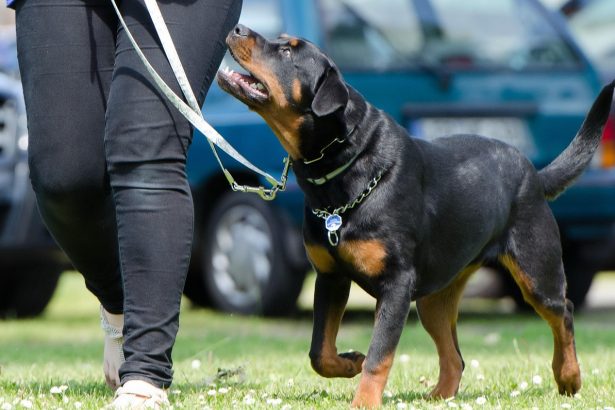
- Key Commands: Sit, stay, come, heel
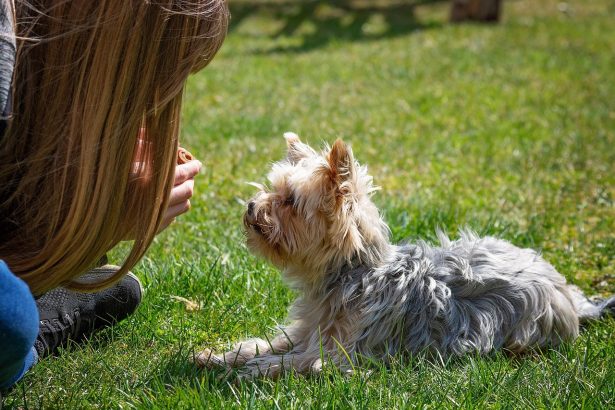
- Techniques: Positive reinforcement like treats and praises
2. Advanced Training
- Timeline: 6 months to 1 year
- Skills Developed: Following commands outside, in public or from a distance
- Techniques: Consistent practice in varied environments
3. Specialized Training
- Types:
- Agility Training: Enhancing physical skills through obstacle courses
- Therapy or Service Training: For those who need assistance or will provide emotional support
- Timeline: 1-2 years
- Techniques: Tailored to the specific needs and capabilities of the dog
4. Continuous and Behavioral Training
- Importance: Addresses specific behavioral issues like aggression or anxiety
- Techniques: Professional help from a dog behaviorist might be necessary
- Timeline: Can vary greatly depending on the issue and dog
Expert-Based Insights
Training methodologies should be positive and reward-based, which is backed by animal behaviorists. Institutions like the American Kennel Club (AKC) endorse these methods as they foster healthy learning environments. Trainers should focus on reinforcing good behavior rather than punishing the bad to avoid fear and aggression.
Common Questions and Myths
-
Question: Can all dogs be trained regardless of age?
- Answer: Yes, dogs of all ages can learn new behaviors and skills, although younger dogs might learn quicker.
-
Myth: Some dogs are untrainable.
- Truth: While some breeds might be more challenging to train due to their independent nature, with patience and the right techniques, all dogs can be trained.
Practical Tips & Actionable Advice
Do’s:
- Be Patient: Training takes time and consistency.
- Use Positive Reinforcement: Rewards speed up the learning process.
- Seek Professional Help: Don’t hesitate to contact a professional trainer if necessary.
Don’ts:
- Avoid Punishment: This can lead to fear and aggression.
- Skip Socialization: Introduce your dog to various environments and situations.
Checklist for Beginners:
- Choose the right training method.
- Set a regular training schedule.
- Use treats and toys as rewards.
- Gradually increase training challenges.
Conclusion: Take the First Step Today
While the time it takes to train a dog can vary widely, starting with understanding and patience is key. Use the guidelines and tips provided to guide your training journey. Remember, every moment spent training is an investment in a happy, well-adjusted lifelong friend. Always consider reaching out to a professional for guidance tailored to your dog’s specific needs. Embrace the process, and you’ll be amazed at what you and your dog can achieve together.
Happy training!