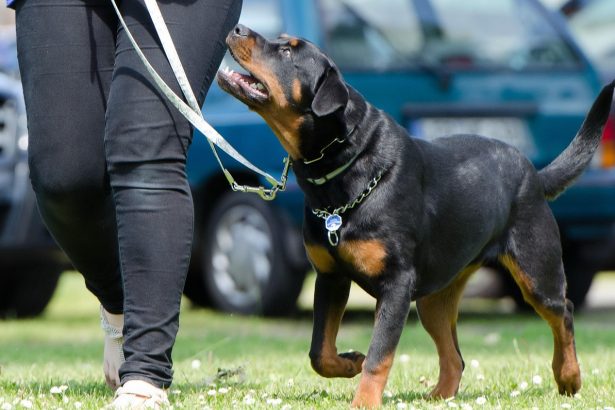

Introduction: The Joy of Sharing Your Apartment with a Well-Trained Pooch
Imagine enjoying a peaceful morning, sipping coffee with your furry friend snuggled beside you, without the worry of unexpected messes. Sounds delightful, right? Mastering potty training your dog in an apartment setting is not only possible; it’s a gateway to enjoying a clean, stress-free relationship with your pet. Whether you’re a newbie pet owner or you’ve just moved into a high-rise, this guide is packed with easy-to-follow tips and expert techniques to ensure successful apartment potty training.
- Introduction: The Joy of Sharing Your Apartment with a Well-Trained Pooch
- Why This Matters
- Step-by-Step Guide to Potty Training Your Dog in an Apartment
- Understand Your Dog’s Needs
- Setup a Potty Area
- Establish a Routine
- Reward Good Behavior
- Handle Accidents Gracefully
- Expert-Based Advice
- Common Questions and Myths
- Practical Tips & Immediate Actions
- Going Beyond Basics
- Conclusion: Embrace the Journey
Why This Matters
For many apartment dwellers, managing a dog’s bathroom needs can seem challenging due to lack of direct backyard access. Effective potty training helps prevent accidents, reduces frustration, and creates a healthier environment for both you and your pet. More importantly, it strengthens the bonding process by establishing trust and understanding between you and your dog.
Step-by-Step Guide to Potty Training Your Dog in an Apartment
Understand Your Dog’s Needs
- Age Matters: Puppies generally need to go more often; plan for every 2-3 hours. Adult dogs can usually manage 6-8 hours.
- Diet and Schedule: Stick to a feeding schedule; what goes in on schedule comes out on schedule!
Setup a Potty Area
- Choose the Spot: A balcony, a bathroom, or even a specific corner with waterproof floor protection can work.
- Use Potty Pads or a Dog Litter Box: These tools simulate grass and help confine the mess for easier cleanup.
Establish a Routine
- Regular Outings: Morning, post-meal, and before bedtime are crucial times.
- Cue Words: Consistently use phrases like “go potty” to help your pet understand the purpose of the outing.
Reward Good Behavior
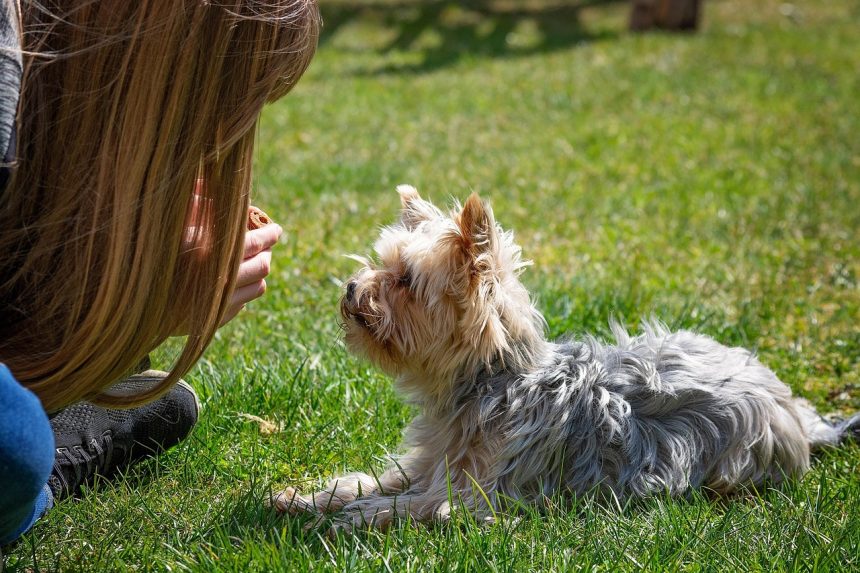
- Positive Reinforcement: Treats, praise, or playtime right after they finish can reinforce good habits.
Handle Accidents Gracefully
- Stay Calm: Yelling scares them and may make training harder.
- Cleanup Well: Use an enzyme cleaner to remove scent markers that might encourage repeat offenses.
Expert-Based Advice
Veterinarians and professional dog trainers agree that consistency, patience, and positive reinforcement are key components to successful potty training. Implementing a regular schedule and supervising your dog as much as possible during the learning phase are standards supported by the ASPCA and other animal welfare organizations.
Common Questions and Myths
Q: How long does it typically take to potty train a puppy?
A: Usually, it takes 4-6 months for a puppy to be fully house trained, but every puppy is different.
Q: Are smaller dogs harder to potty train?
A: Not necessarily harder, but sometimes it takes a bit longer due to their smaller bladders.
Myth: Dogs intentionally use the bathroom indoors as revenge.
Fact: Dogs do not have the same motives as humans; accidents are just that and not acts of spite.
Practical Tips & Immediate Actions
Checklist for Success:
- Set a timer to remind you of your dog’s potty times.
- Always have treats handy to reward good behavior immediately.
- Keep the potty area clean and odor-free to discourage re-soiling.
Do’s and Don’ts:
- Do remain consistent with commands and rewards.
- Don’t punish your dog after an accident if you didn’t catch them in the act.
Going Beyond Basics
Once your dog is comfortable with the basics, gradually start increasing the time between breaks to help them learn to hold it longer. Remember, every dog is an individual, and what works for one might not work for another. Patience and adaptability are your best tools.
Conclusion: Embrace the Journey
Potty training a dog in an apartment is a commitment that pays off with a happier pet and a cleaner home. With consistency, understanding, and a bit of expert advice, you’ll navigate this process successfully. Remember, every small victory is progress. Happy training!