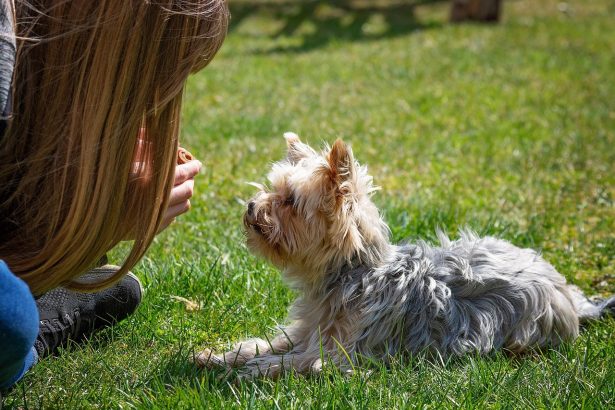


Introduction: Mastering the Art of Polite Pooch Greetings
Imagine walking your dog in the park, relaxed and at ease because you know your furry friend will greet everyone politely. No more jumping or barking wildly, just a calm and friendly hello. That’s the power of teaching your dog simple yet effective greeting manners.
- Introduction: Mastering the Art of Polite Pooch Greetings
- Why This Matters
- Step-by-Step Training for Polite Greetings
- Step 1: Understanding the Basics
- Step 2: Controlled Introduction
- Step 3: Mastering the Greeting
- Step 4: Regular Practice
- Expert Advice and Best Practices
- Common Questions and Misconceptions
- Practical Tips for Real-world Application
- Strong Conclusion: Embrace the Journey of Learning Together
“Simple Training Tips for Polite Pooch Greetings” refers to easy-to-follow techniques that help your dog interact amicably with other dogs and people. This guide is invaluable because it ensures safe, sociable, and stress-free outings. Whether you’re meeting new people or dogs, knowing your pooch can handle these interactions politely makes outdoor adventures more enjoyable for both of you.
Why This Matters
Training your dog for polite greetings is more than just teaching good manners; it’s about fostering a meaningful and respectful relationship between your dog, other people, and their pets. Here’s why it’s important:
- Safety: Properly socialized dogs pose less risk to themselves and others.
- Socialization: Enhances your dog’s confidence and ability to cope in various situations.
- Peace of Mind: Knowing your dog behaves well in social settings reduces anxiety and makes public outings more pleasant.
Let’s delve deeper into how you can achieve this with some simple steps.
Step-by-Step Training for Polite Greetings
Step 1: Understanding the Basics
Begin by teaching your dog basic commands like “sit,” “stay,” and “come.” These commands form the foundation of good behavior.
Step 2: Controlled Introduction
- Leash Training: Start in a quiet environment. Keep your dog on a leash and gradually introduce them to new people and dogs.
- Positive Reinforcement: Reward your dog with treats or praise for calm behavior during greetings.
Step 3: Mastering the Greeting
- Approach Slowly: Allow your dog to approach others slowly and on a short leash.
- Body Language: Teach your dog to recognize non-threatening behaviors, such as turning sideways and avoiding direct eye contact, as these can ease the meeting process.
Step 4: Regular Practice
Consistency is key. Regularly practice these steps in different settings to reinforce good behavior.
Expert Advice and Best Practices
According to the American Kennel Club and various dog behavior experts, consistency and patience are crucial in dog training. Always ensure the training sessions are short, positive, and end on a high note to keep your dog motivated.
Common Questions and Misconceptions
-
Q: How quickly will my dog learn to greet politely?
- A: It varies depending on the dog. Some might pick it up in a few weeks, while others might need a couple of months. Consistent practice is essential.
-
Mistake: Punishing your dog for poor greetings.
- Correction: Instead of punishment, redirect and reward the behavior you want to encourage. This positive reinforcement builds better habits.
Practical Tips for Real-world Application
- Do: Start in a low-distraction environment to build your dog’s confidence.
- Don’t: Overwhelm your dog with too many new greetings at once.
- Checklist:
- ☑️ Keep treats handy for positive reinforcement.
- ☑️ Practice daily, even during short walks.
Strong Conclusion: Embrace the Journey of Learning Together
By now, you have the knowledge and tools needed to help your dog master polite greetings. Remember, each dog learns at their own pace, so patience and consistency are your best tools. Don’t hesitate to seek help from a professional trainer if you find certain aspects challenging.
Dive into this training adventure with your pooch with enthusiasm and watch as your outings become more enjoyable and worry-free. Happy training!