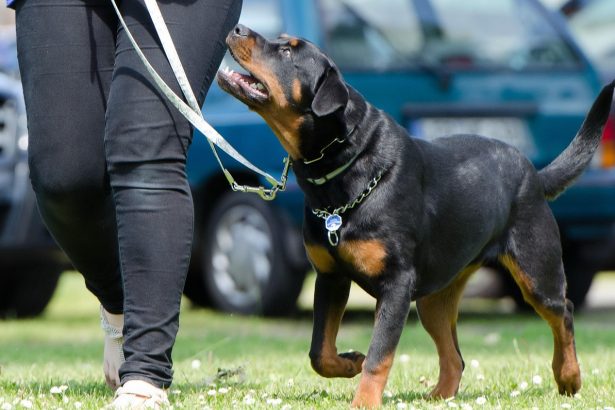


Introduction to Training Your Dog at Home: A Beginner’s Guide
Have you ever watched a well-trained dog and wondered how their owner managed to teach them such impressive tricks? Whether it’s fetch, sit, or a quiet stay, training your dog not only encourages good behavior but also strengthens your bond. Essential Tips for Training Your Dog at Home: A Beginner’s Guide is your perfect starting point, designed to equip you with the knowledge and tools to train your dog effectively right within the comfort of your home. This guide spells out easy-to-follow steps that ensure both fun and fruitful training sessions for you and your furry friend.
Why This Matters
Training your dog at home is not only a responsible part of pet ownership, but it also contributes significantly to the well-being and safety of your dog and family. A well-trained dog is generally more sociable and easier to manage. Importantly, this training can prevent dangerous situations, reduce anxiety for both pet and owner, and deepen the pet-owner relationship.
Key Steps to Home Dog Training
Setting Up for Success
- Choose the Right Space: Find a quiet area with few distractions to start your training sessions.
- Gather Essential Tools: Basic supplies such as treats, a leash, a collar, and toys are a good start.
Basic Commands
- Sit: Hold a treat close to your dog’s nose and move your hand up, allowing his head to follow the treat causing his bottom to lower.
- Come: Use a leash at a distance and gently tug while saying “Come,” rewarding them when they respond.
- Stay: Ask your dog to “Sit” or “Lie Down,” then step in front of them with a stop gesture and say “Stay.”
Consistency is Key
- Regular Sessions: Keep training sessions short but regular to maintain attention and effectiveness.
- Use Simple Words: Dogs respond better to short commands like sit, stay, come.
Positive Reinforcement
- Reward Good Behavior: Treats, petting, or praising encourages your dog to behave well.
- Avoid Punishment: Negative techniques can lead to fear and aggression.
Expert-Based Information
Leading organizations such as the American Kennel Club (AKC) emphasize the importance of positive reinforcement. Techniques focusing on rewards rather than punishment foster an environment of trust and mutual respect.
Common Questions and Misconceptions
Do I need professional help to train my dog adequately?
While professional help can be beneficial, particularly for specific issues, many basic training exercises can be effectively carried out at home with the right guidance.
Are treats necessary for training?
Treats are a powerful motivator during training, but not the only method. Affection and verbal praise can also effectively reinforce good behavior.
Practical Tips & Actionable Advice
- Create a Routine: Dogs thrive on routine. Scheduled training helps your dog learn faster.
- Keep It Positive: Always end training sessions on a positive note to keep your dog eager for the next one.
- Be Patient: Progress might be slow, but persistence is key.
Conclusion: Taking the Next Steps in Dog Training
Training your dog at home doesn’t need to be daunting. With these essential tips and straightforward techniques, you are well on your way to having a well-behaved canine companion. Remember, patience, consistency, and positivity are your best tools. Keep sessions short, engaging, and enjoyable for the best results. As you grow more confident in your abilities and your dog’s responsiveness, consider exploring more advanced training techniques to further enhance your bond and your dog’s skills. Happy training!