

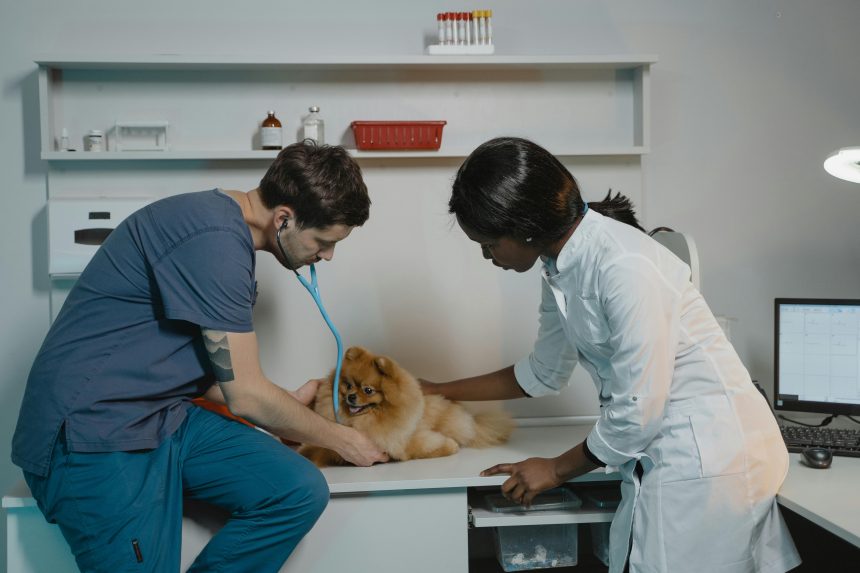
Introduction: Understanding Dog Allergies and Their Symptoms
Have you noticed your furry friend scratching relentlessly, or perhaps dealing with a runny nose more often than seems normal? If so, it may not just be a passing discomfort but a sign of allergies. Understanding dog allergies and being able to identify their symptoms successfully is crucial for any pet owner. This knowledge not just helps improve the quality of life for your beloved pet, but also equips you to respond to their needs more effectively. Read on to discover how you can help your pet enjoy a happier, healthier life by recognizing and managing their allergy symptoms.
Why This Matters
Allergies in dogs are more common than one might think and recognizing the symptoms early can profoundly affect their health and happiness. Dogs, like humans, can be allergic to a wide range of substances, and these allergies can cause a variety of uncomfortable or even dangerous symptoms. By understanding what to look for, you can seek timely veterinary care, make necessary adjustments to their environment or diet, and find suitable treatments. This proactive approach helps in mitigating discomfort and preventing more serious health issues.
Recognizing the Symptoms of Dog Allergies
To effectively keep an eye out for allergies in your dog, it’s crucial to recognize the most common signs. Here’s a breakdown of what you should look out for:
Skin Irritations
- Persistent scratching
- Red, inflamed skin
- Hot spots (areas where the skin is particularly inflamed)
- Hair loss
Respiratory Issues
- Sneezing
- Coughing
- Wheezing
- Discharge from the nose
Gastrointestinal Upsets
- Vomiting
- Diarrhea
- Excessive gas
- Abdominal pain
Ear Problems
- Frequent shaking of the head
- Ear odor
- Redness inside the ears
- Discharge from the ears
Eye Discomfort
- Redness
- Watery discharge
- Squinting or rubbing eyes
Expert Insights on Managing Dog Allergies
Veterinarians recommend several best practices when dealing with dog allergies. Firstly, identifying the allergen is paramount. This might involve dietary changes, environmental adjustments, or both. Regular cleaning of your home, using hypoallergenic bedding, and possibly changing your dog’s diet under vet supervision are effective strategies.
Medications and treatments can also differ, so it’s crucial to consult with a vet who can offer tailored advice. They might recommend antihistamines, corticosteroids, or allergy shots, depending on the severity and nature of the allergies.
Addressing Common Questions and Myths
Q: Can dogs outgrow allergies?
A: Dogs do not typically “outgrow” allergies, but their symptoms can be managed effectively with the right approach.
Myth: All dogs are mostly allergic to food.
Fact: While food allergies exist, many dogs are allergic to environmental factors like pollen, mold, or dust mites.
Practical Tips & Actionable Advice
Checklist for Allergy Management:
- Regularly wash your dog’s bedding.
- Keep your home clean and free of dust.
- Consult your vet about suitable hypoallergenic dog foods.
- Observe your dog closely for any of the symptoms listed above.
Best practices:
- Schedule regular vet visits for allergy assessments.
- Consider an elimination diet under veterinary supervision for food allergies.
Do’s and Don’ts:
- Do maintain a diary of your dog’s symptoms and environmental factors.
- Don’t change your dog’s diet radically without consulting a vet.
Conclusion
Understanding and managing dog allergies effectively begins with recognizing the symptoms. By staying informed and vigilant, you can ensure your dog leads a comfortable and joyful life despite having allergies. Remember, a proactive approach and regular consultations with your vet are your best tools in tackling this challenge. If you suspect your dog is suffering from allergies, don’t hesitate to seek professional guidance to give them the relief they deserve. Your furry friend relies on you—let’s make sure they’re as happy and healthy as possible!