

Introduction to Simple Home Examinations for Your Pet’s Well-being
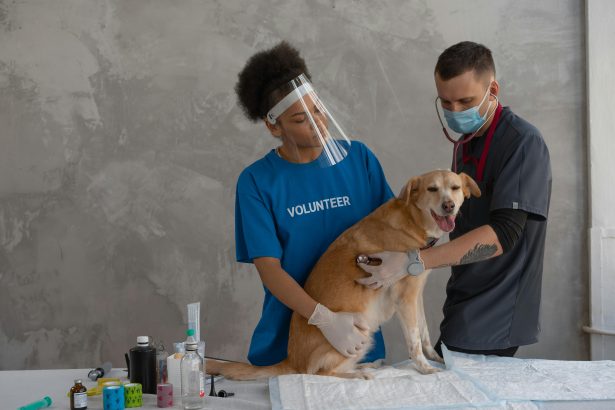
Imagine sipping your morning coffee while giving your furry friend a quick check-up that could help ensure they stay happy and healthy. That’s the essence of simple home examinations for pets. But what exactly does it mean to perform a home examination on your pet, and why should you consider adding this routine to your daily life? These examinations are basic health checks that any pet owner can do at home to monitor their pet’s health and catch potential problems early, potentially saving on vet bills and more importantly, saving your pet from prolonged discomfort.
Why Home Examinations for Your Pet Matter
Every pet owner wants their animal to live a long, healthy life. Regular home examinations can make a huge difference. They help you catch signs of illness or distress early, which can lead to quicker treatments. It lets you build a deeper bond with your pet, as these checks involve moments of quiet and close contact. This practice not only brings peace of mind but also teaches you more about your pet’s normal behavior and bodily health, helping you notice when something is off.
How to Conduct a Home Examination
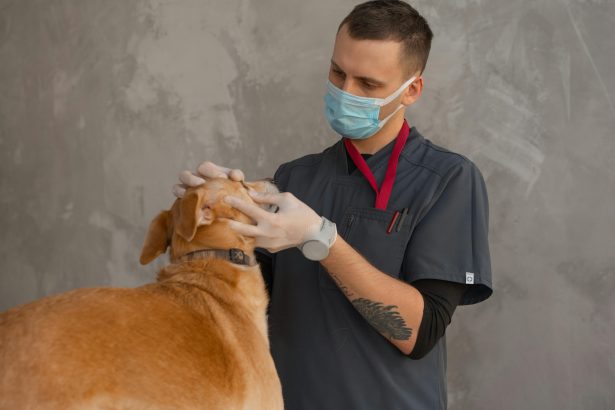
Visual Inspection
- Eyes: Should be clear, bright, and free of discharge.
- Ears: Check for odor, excessive wax, or redness, which could indicate infection.
- Mouth: Look for healthy teeth without excessive tartar; gums should be pink, not red or swollen.
- Skin and Coat: Check for parasites, bumps, or excessive flaking. The coat should be shiny, not dull.
Physical Touch
- Body Scanning: Gently run your hands over your pet’s body to feel for any lumps, bumps, or tender areas.
- Weight Check: Be mindful of any significant weight loss or gain.
Behavioral Observations
- Activity Levels: Note any changes in energy, like whether they are more lethargic or hyperactive than usual.
- Eating and Drinking Habits: Watch for changes in appetite and water consumption.
Trusted Sources and Practices
When conducting home examinations, it’s crucial to refer to advice from established veterinary sources. Websites like those of the American Veterinary Medical Association (AVMA) offer guidelines on what to look for during your pet checks. Always align your practices with verified information and when in doubt, consult your veterinarian.
Common Questions and Myths
Q: How often should I examine my pet at home?
A: Ideally, a thorough check once a week is recommended, but you can observe your pet’s behavior and physical condition daily.
Misunderstanding: “A home exam can replace veterinary check-ups.”
Fact: Home exams are a way to supplement professional veterinary care, not replace it. Regular vet visits are crucial for vaccinations, professional diagnoses, and treatments.
Practical Tips for Effective Home Examinations
Checklist for a Thorough Home Exam:
- Eyes, ears, and nose for any abnormalities.
- Mouth for signs of dental issues.
- Skin and coat for parasites or unusual hair loss.
- Behavior for sudden changes or signs of distress.
Best Practices:
- Keep records of your findings from each examination to track changes over time.
- Use treats and gentle petting to make the examination a positive experience for your pet.
Do’s and Don’ts:
- Do be gentle and calm during your examination.
- Don’t ignore signs that indicate a need for professional vet care.
Conclusion
Performing regular simple home examinations on your pet can improve their health, deepen your relationship, and give you peace of mind. These checks are easy to integrate into your routine and can be a bonding experience for you and your pet. Remember, while these exams are useful, they do not replace professional veterinary care. If you notice anything unusual, make sure to book an appointment with your vet. Start today, and take an active role in your pet’s health — one gentle check-up at a time!