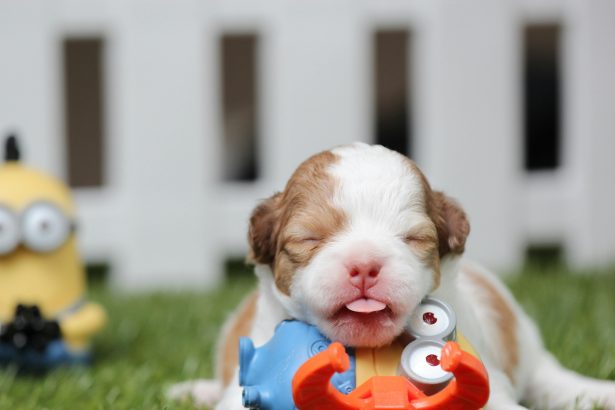


The Magic of Crate Training Your Puppy at Night
Have you recently brought a delightful puppy into your home, and are you pondering how to ensure peaceful nights for both of you? Crate training your puppy at night might just be the winning strategy you’re looking for!
So, what exactly does this involve? In simple terms, crate training is a method where you train your puppy to stay in a crate during the night, providing them a secure and comfortable environment that mimics a den. This training not only helps in preventing accidents around the house but also aids in establishing a routine, thus making your puppy feel safer and more at ease.
Why Is Nighttime Crate Training Important?
Crate training at night is crucial because it taps into a puppy’s inherent desire for a safe “den” where they can relax and sleep without worry. For you, the puppy owner, this training can mean uninterrupted sleep without worries about what mischief your new bundle of joy might be getting into when you’re not watching. Moreover, it’s a valuable part of broader behavioral training which results in a well-adjusted dog.
Understanding Crate Training
Choosing the Right Crate
- Size: Ensure the crate is big enough for your puppy to stand, turn around, and lie down comfortably, but not too large where they might decide to use a corner as a bathroom.
- Material: Crates can be made of metal, plastic, or fabric, each having its own set of advantages depending on your need.
Creating a Comfortable Environment
- Bedding: Place comfortable bedding inside the crate to make it cozy.
- Water: Consider a clip-on water bottle to keep your puppy hydrated.
- Toys: A durable chew toy can keep them entertained if they wake up during the night.
The Training Process
- Introduction: Introduce your puppy to the crate gradually. Start by placing their food inside the crate and leaving the door open during the day.
- Acclimation: Encourage them to spend more time in the crate with short, supervised sessions.
- Extending Time: Gradually increase the time your puppy spends in the crate, starting with short periods after meals and slowly building up to overnight stays.
Expert Tips for Ensuring Success
Crate training, while beneficial, should be approached with patience and consistency. American Kennel Club experts suggest making the crate an inviting space and associating it with positive experiences. Never use the crate as a punishment tool, as this can create fear and anxiety around it.
Common Questions and Misconceptions
- “Is it cruel to crate a puppy at night?” Not at all! When done correctly, crate training provides a sense of security for your puppy. It replicates their natural instinct for a den-like space.
- “Will my puppy feel isolated?” While some initial resistance is normal, puppies often come to view their crate as a personal safe space where they can retreat.
Actionable Advice for a Smooth Training Process
- Routine is Key: Set a regular bedtime routine that includes a potty break and some quiet time in the crate before lights out.
- Ignore Whining: Unless you suspect a real need, like a bathroom break, it’s best to ignore whining. Paying attention to it can reinforce that crying gets your attention at night.
- Praise and Reward: Always praise your puppy when they enter the crate and offer a small treat. This positive reinforcement helps them to associate the crate with good things.
Conclusion
Successfully crate training your puppy at night not only ensures a better night’s rest for both of you but also contributes to a well-adjusted, happy pet. Remember, patience and consistency are your best tools in this journey. Be gentle, but firm in your training, and soon your puppy will be as comfortable in their crate as they are in your arms. Explore further, seek advice if needed, and enjoy a peaceful night knowing your puppy is safe and snug in their crate!