

Introduction: Unlocking the Mystery of Natural Dog Shedding Control
Have you ever found yourself sweeping up piles of dog hair day after day? If so, you’re not alone. For pet owners around the world, dog shedding is a common–and often frustrating–part of daily life. Thankfully, there are proven, natural ways to help manage this hairy dilemma, enhancing your dog’s health and keeping your home cleaner. This article will explore how to stop dog shedding naturally, providing you with practical, easy-to-implement solutions.
Why This Matters
While shedding is a normal process for most dogs, excessive hair loss can sometimes be a sign of health issues or poor nutrition. Managing shedding naturally not only helps in keeping your home hair-free but also ensures your furry friend is healthy and comfortable. Learning to manage shedding effectively offers a dual benefit: it reduces the amount of hair around your home and improves your dog’s skin and coat health.
Understanding Dog Shedding
Before diving into solutions, it’s important to understand why dogs shed. Shedding is a natural process where dogs lose old or damaged hair. The amount and frequency of hair that is shed often depend upon their health, breed type, and the season. Here are some factors that influence shedding:
- Seasonal Changes: Dogs typically shed more in the spring and fall.
- Breed Specifics: Some breeds shed less than others due to genetic differences in their coat types.
- Health and Nutrition: Poor nutrition, stress, or underlying health issues can lead to excessive shedding.
Strategies to Reduce Dog Shedding Naturally
Proper Nutrition
Feeding your dog a balanced diet rich in essential nutrients is key to healthy skin and coat, which can reduce excessive shedding.
- Omega-3 and Omega-6 Fatty Acids: These essential fatty acids promote a healthy, shiny coat. Foods like fish, flaxseeds, and walnuts are great sources.
- Protein: High-quality animal proteins support hair health and can decrease shedding. Ensure your dog’s food labels list a good protein source as one of the first ingredients.
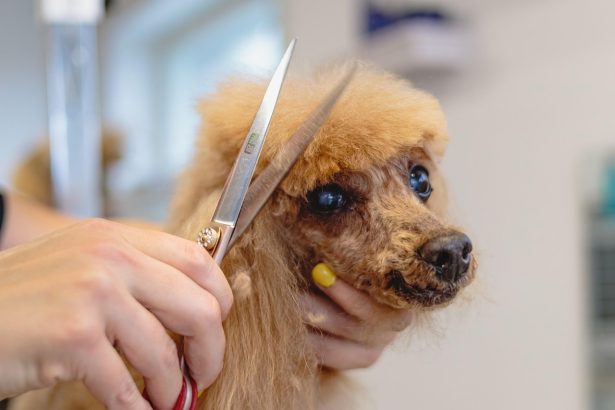
Regular Grooming
Regular brushing and bathing can significantly control the amount of hair your dog sheds.
- Brushing: Frequency should vary by coat type. Short-haired dogs may only need weekly brushing, while long-haired breeds might require daily grooming to prevent tangles and remove loose fur.
- Bathing: Occasional baths help to loosen and remove hair. Use a dog-specific shampoo to keep their skin hydrated and healthy.
Natural Supplements
Integrating natural supplements into your dog’s diet can aid in controlling shedding.
- Brewer’s Yeast: A source of B-vitamins which helps to make your dog’s skin healthier, strengthening hair roots.
- Olive Oil or Coconut Oil: Adding a small spoonful to your dog’s food can improve the overall condition of their hair and reduce shedding.
Maintain a Healthy Living Environment
A stress-free environment contributes to the overall health of your dog, which can lead to less shedding.
- Regular Exercise: Keeps your dog healthy and stress-free.
- Routine Vet Check-ups: Early detection of potential health problems can prevent excessive shedding linked to illnesses.
Common Questions and Myths
Q: Can I completely stop my dog from shedding?
A: No, shedding is a natural process. However, with proper care, you can significantly reduce the amount of shedding.
Myth: Shaving your dog will stop the shedding.
Fact: Shaving a dog does not prevent hair from shedding; it only makes the hair shorter. This can harm your dog’s skin and alter the natural insulation of their coat.
Q: Is excessive shedding a sign of illness?
A: Yes, sometimes. It’s important to consult with a vet if you notice sudden excessive shedding or other health changes.
Conclusion: A Balanced Approach to Managing Dog Shedding
By understanding why your dog sheds and following these natural, manageable steps, you can significantly reduce the impact of shedding on your daily life. Remember, every dog is unique, so you might need to experiment with different combinations of nutrition, grooming, and care to find what works best for your furry friend.
Now that you’re equipped with these tips, embrace the journey with your dog, aiming not for a hair-free home, but for a healthy, happy companion whose coat is as well-cared for as they are loved. If concerns about shedding persist, don’t hesitate to consult your veterinarian for further guidance.