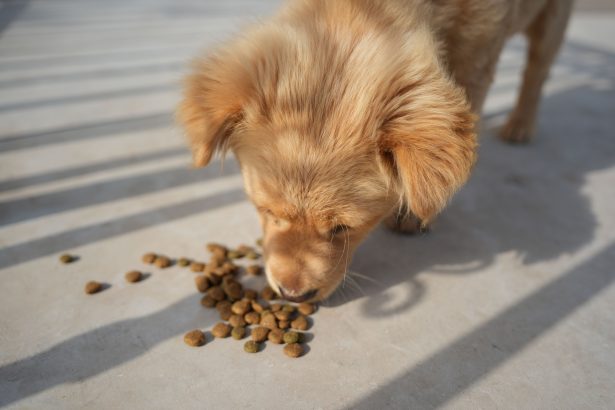


Introduction: What is the Best Human Food for Pet Safety?
Have you ever wondered if the snack you’re enjoying is safe to share with your pet? Many pet owners love giving their furry friends a little treat from their plate. However, not all human foods are safe for pets. Exploring the best human foods for pet safety means finding out which foods are safe to share with your pets and which ones to avoid. This knowledge helps keep your pets healthy and happy and can prevent unexpected trips to the vet.
Why This Matters
Understanding which human foods are safe for pets is crucial. Just like humans, what pets eat can greatly affect their health. Some human foods can be dangerous for pets, causing anything from mild digestive upset to severe illness or even death. By educating yourself, you ensure that you’re not unintentionally harming your pet with toxic foods. Plus, knowing safe options allows you to occasionally treat your pet without worry.
Detailed Explanation: Safe Human Foods for Pets
Safe Fruits and Vegetables
- Carrots: Crunchy and good for their teeth; high in fiber and beta-carotene.
- Apples: Make sure to remove the seeds and core; apples are a good source of vitamins A and C.
- Blueberries: Antioxidant-rich and good for pet’s skin and coat.
Safe Proteins
- Chicken: Cooked and unseasoned is a good protein source. Ensure it’s boneless.
- Fish: Cooked salmon or tuna provides omega-3 fatty acids, beneficial for your pet’s coat.
Safe Dairy & Grains
- Rice and pasta: Cooked plain can be a good energy source.
- Cottage cheese: In small amounts, it’s a good source of calcium and protein.
Expert-Based Information
According to the American Society for the Prevention of Cruelty to Animals (ASPCA) and other pet health experts, it’s critical to introduce any new food into your pet’s diet gradually and in small amounts to monitor how they react to it. Always consult your veterinarian with any concerns about your pet’s diet.
Common Questions and Myths
-
Can dogs eat chocolate?
- No, chocolate is toxic to dogs because it contains theobromine, which dogs cannot metabolize effectively.
-
Is it okay for cats to drink milk?
- Many cats are lactose intolerant, so dairy products should generally be avoided.
Practical Tips & Actionable Advice
Do’s
- Do check with your vet before introducing new foods.
- Do wash all fruits and vegetables to remove pesticides or toxins.
- Do cook all proteins thoroughly to avoid the risk of foodborne illnesses.
Don’ts
- Don’t feed your pets any food containing onions, garlic, or chives; these can be toxic.
- Don’t give your pets fatty foods or bones that can cause choking or other health issues.
- Don’t offer your pets any candies or overly sugary foods.
SEO Optimization
When exploring the best human foods for pet safety, remember that variety is the spice of life, but safety is key. Always prioritize your pet’s health by consulting professionals and trusted sources.
Conclusion
Knowing which human foods are safe for pets allows you to share your meals responsibly and keeps your pets healthy. Always introduce new foods slowly and in moderation, and when in doubt, consult your vet. Your pet’s diet is crucial for their long-term health, so make informed decisions about what treats you offer. Remember, a safe pet is a happy pet!
With this guide, you’re on your way to becoming a savvy pet owner who knows how to treat their animal friends safely and lovingly. Happy feeding!
Formatting & Style Rules
- Keep paragraphs concise.
- Utilize bullet points for lists.
- Avoid unnecessary filler content.
- Maintain a natural tone throughout the text.
This guide ensures that you provide the best care and treats to your furry friend while keeping them safe and healthy.