
Introduction
Imagine a small wagging tail, exuberant barks, and a pair of loving puppy eyes greeting you after a long day at work. Bringing a new dog into your home is a joyful experience, filled with unforgettable moments. But, have you ever felt clueless about the best ways to care for your furry friend? This is where the “Essential Guide to Dog Care for Beginners: Tips and Best Practices” comes in handy, offering straightforward, practical advice to help you and your new companion thrive together.
Why This Matters
Understanding the basics of dog care is crucial not only for the well-being of your pet but also to ensure a harmonious relationship between you and your new buddy. Well-cared-for dogs are typically healthier, happier, and have fewer behavioral problems. Knowing the right steps in dog care can transform the daunting task of pet ownership into a rewarding journey.
Understanding Dog Care
Choosing the Right Dog
- Consider your lifestyle: Select a breed that fits with your daily routine and activity level.
- Space considerations: Larger dogs might need more room to move around, so think about the size of your living space.
Basic Needs
- Food: Provide high-quality dog food suitable for your dog’s age, size, and health.
- Water: Always have fresh water available.
- Shelter: Your dog needs a comfortable, safe space in your home.
Health and Veterinary Care
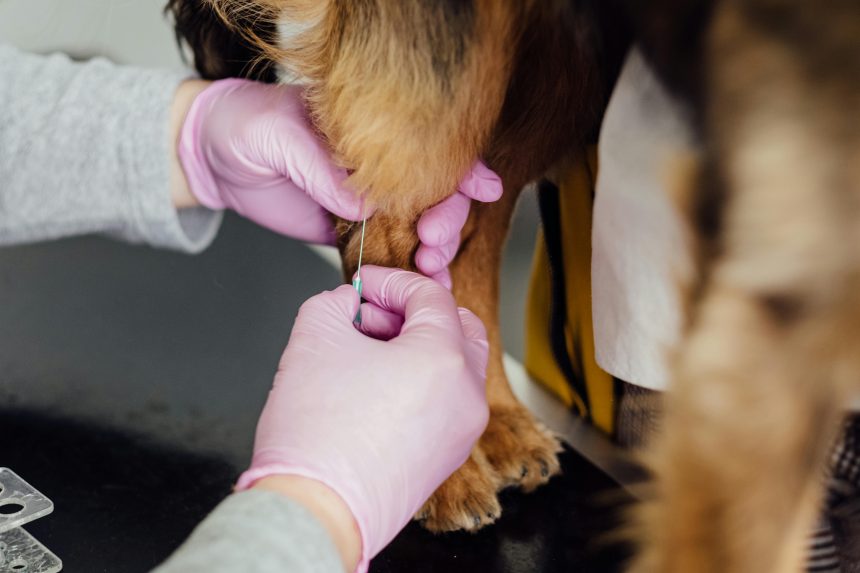
- Regular check-ups: Schedule annual visits to the vet for vaccinations and health exams.
- Preventative medications: Keep up with flea, tick, and worm prevention.
- Emergencies: Know the location of the nearest animal hospital.
Training and Socialization
- Basic commands: Teach basic commands like sit, stay, and come.
- Social skills: Introduce your dog to a variety of people and other animals to develop good social manners.
- Behavioral issues: Seek professional help if you notice signs of aggression or anxiety.
Exercise and Play
- Daily exercise: Tailor the amount and type of exercise to your dog’s breed and energy levels.
- Mental stimulation: Use toys and training sessions to keep your dog’s mind sharp.
Grooming and Hygiene
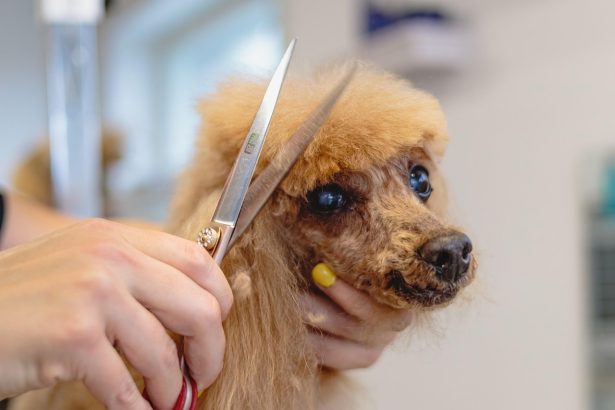
- Regular grooming: Brush your dog regularly to avoid matting and reduce shedding.
- Bathing: Depending on the breed, occasional baths keep your dog clean without drying out their skin.
- Nail trimming and oral care: Trim nails regularly and brush your dog’s teeth.
Expert-Based Guidance
Drawing from reputable sources such as the American Kennel Club (AKC) and the American Veterinary Medical Association (AVMA), we ensure that the practices recommended herein are aligned with industry standards.
Common Questions and Misconceptions
- “Does my dog need clothes?” While most dogs do not necessarily need clothes, those with thin coats might require extra warmth during cold weather.
- “Is it okay to feed my dog human food?” Many human foods can be harmful to dogs. It’s best to stick to dog-specific food and consult with your vet.
Practical Tips & Actionable Advice
- Feeding schedule: Keep feeding times consistent from day to day.
- Exercise routines: Create a routine that fits both your schedule and your dog’s needs.
- Grooming checklist: Establish a regular grooming schedule.
Here are a few dos and don’ts to remember:
- Do create a bond through regular play and affection.
- Don’t neglect regular veterinary visits.
Conclusion
Caring for a dog is a deeply rewarding experience that enhances your quality of life and brings immense joy. By following the essential tips and best practices laid out in this guide, you will be well on your way to providing a loving and nurturing environment for your new family member. Always feel free to reach out to professionals for advice and dive deeper into the specifics of dog care. Remember, the journey of pet ownership is a learning experience filled with love and joy.